Enterprise Payments Management System
Scattered payment workflows forced finance teams into manual reconciliation and support dependency. Restructured into a unified payments system, reducing support tickets by ~25–35% and reconciliation effort by ~30%.
Context
At Xoxoday, enterprise clients use Plum to fund reward programs, manage balances, track transactions, and handle invoices across large-scale employee and customer reward campaigns. Finance teams regularly interacted with wallets, transactions, invoices, reconciliation, exports and reporting used to fund these reward programs.
As the platform evolved, these workflows became fragmented across multiple sections of the product, making financial operations increasingly difficult to manage.
Role
I led the experience design end to end, defining the problem, restructuring the IA, and partnering with the PM and stakeholders to drive key product decisions.
Existing System
The platform was originally designed around campaign operations, with financial workflows added gradually as enterprise usage expanded.
Over time, payments, reporting, invoices, and transaction management evolved independently across the product without a unified financial system structure.
Problem
Since finance workflows were deeply fragmented across the platform, critical financial operations like balance tracking, invoice management, transaction exports, and reconciliation were spread across disconnected sections built for different operational use cases.
This created major challenges:
- Payments and redemption data were mixed together
- Reports lacked financial clarity
- Reconciliation depended heavily on manual exports
- Invoice visibility was inconsistent
- Finance teams relied on support for operational tracking
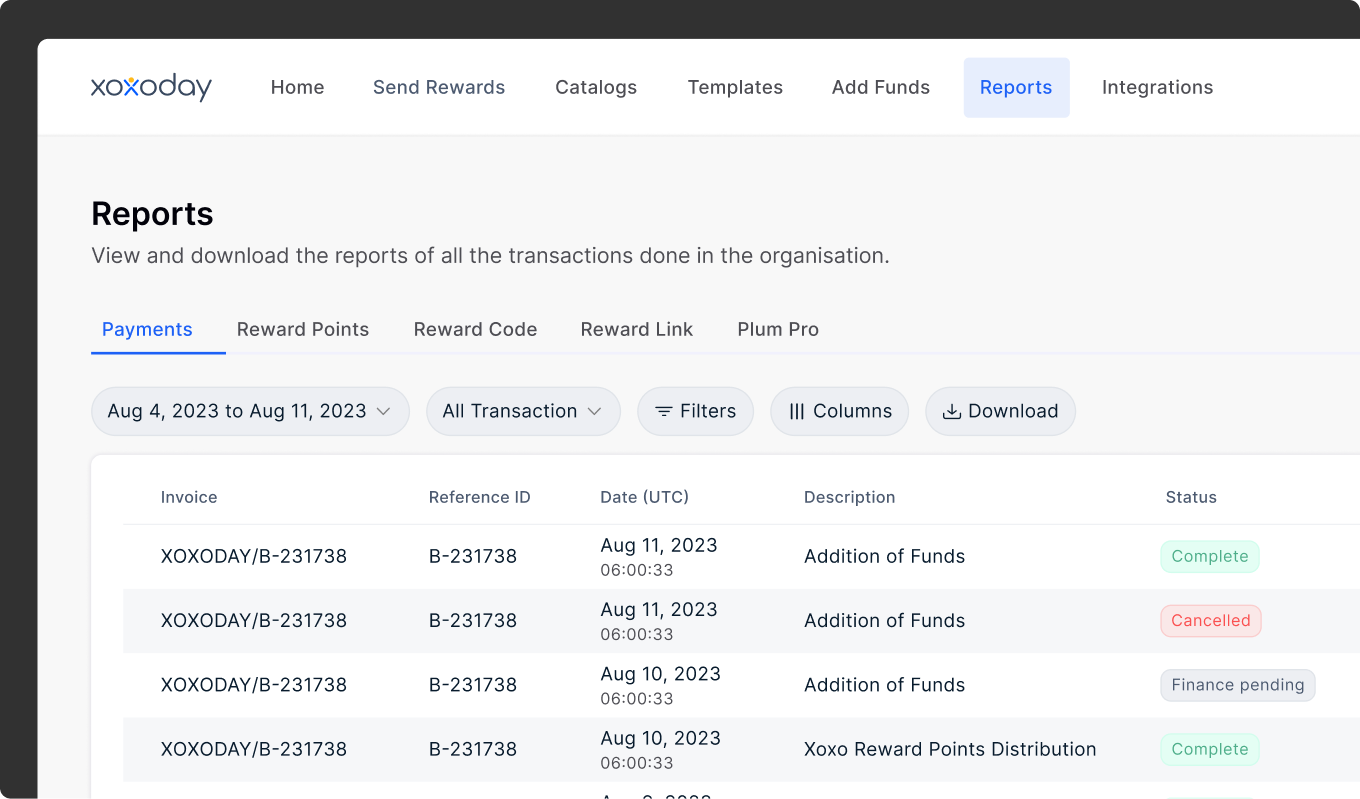
Before: Redemption and financial data combined in a single Reports tab
As enterprise usage scaled, operational overhead increased significantly, especially for teams handling large reward spends across multiple campaigns and business units.
Strategy and Direction
We worked closely with finance and operations teams to understand how reconciliation, invoice tracking, and transaction visibility were being managed across the platform.
Early explorations focused on:
- Improving existing reports and filters
- Restructuring reporting hierarchies
- Separating financial and operational data
We realised the issue was structural, not just usability. Instead of extending fragmented workflows further, we shifted toward a finance-oriented system with dedicated visibility for balances, transactions, invoices, and reconciliation.
Solution
Clean Report Separation
- Redemption reports now show only redemption data
- Payment data moved entirely to the Payments section
This removed data overlap, improved reporting clarity, and reduced accounting errors caused by mixed financial and redemption information.
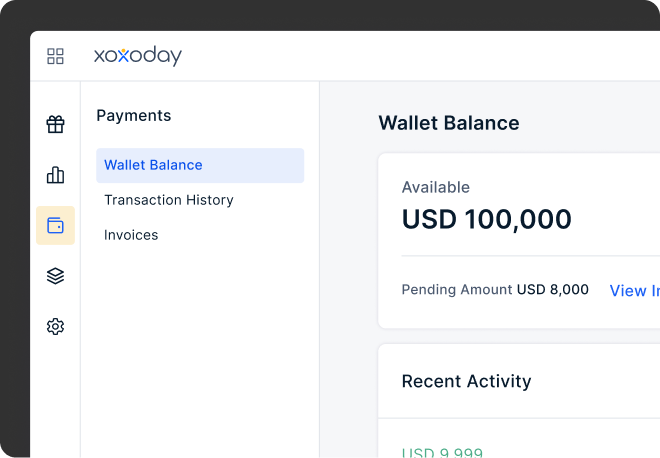
Financial workflows moved to Payments while Reports focus only on redemption data
Wallet Overview
- Current balance visibility
- Recent credit and debit activity
- Quick view of outstanding invoices
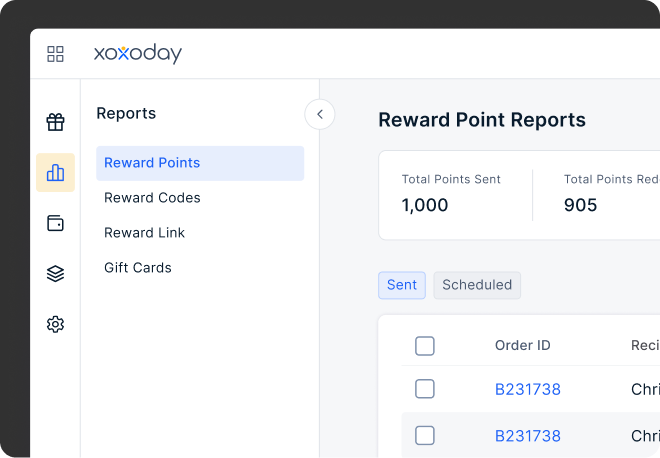
This centralised financial visibility into one clear space, allowing finance teams to instantly understand fund status without navigating across multiple sections.
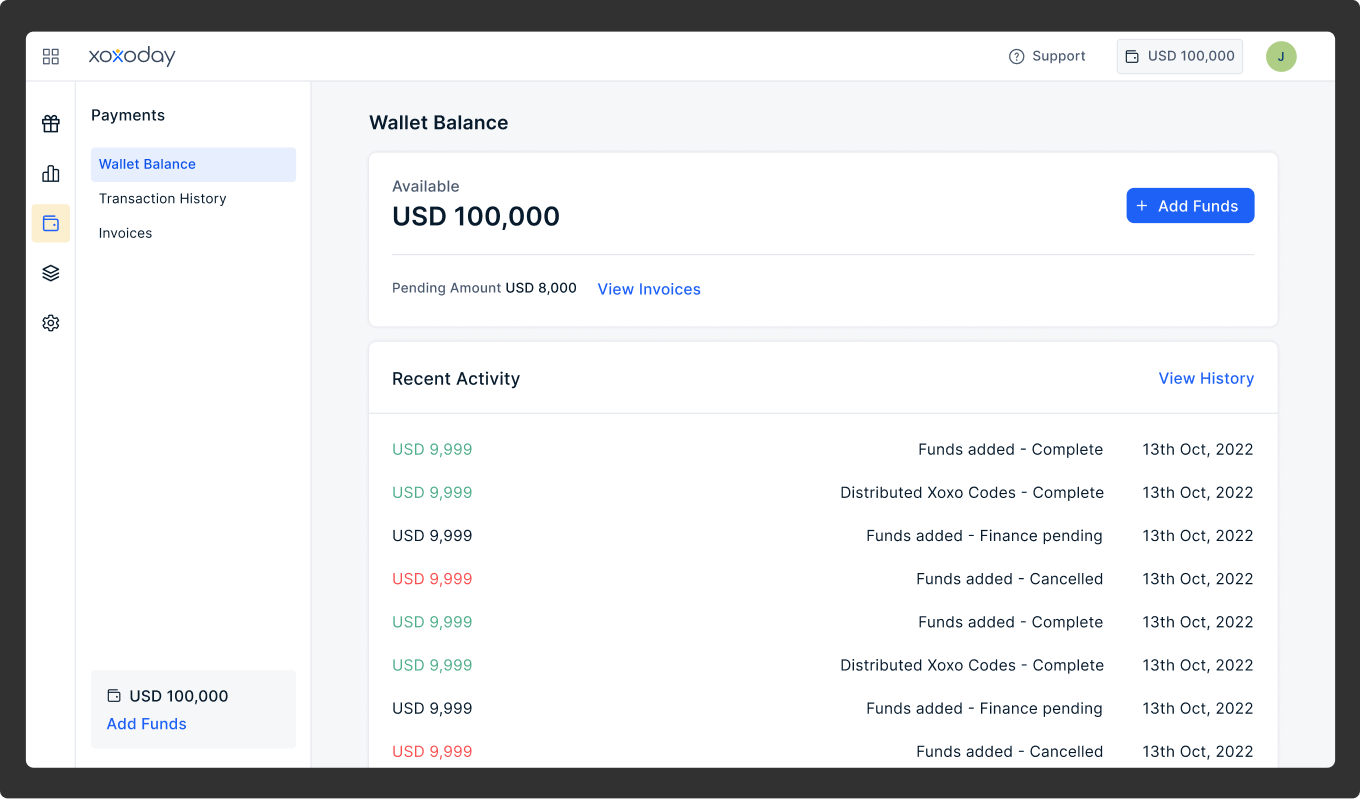
Wallet overview with balances, pending funds, and recent activity
Transaction History (Ledger-Only View)
- Clean credit and debit breakdown
- Filterable transaction logs
- No redemption noise
By separating ledger data from redemption activity, reconciliation became faster, clearer, and less prone to confusion.
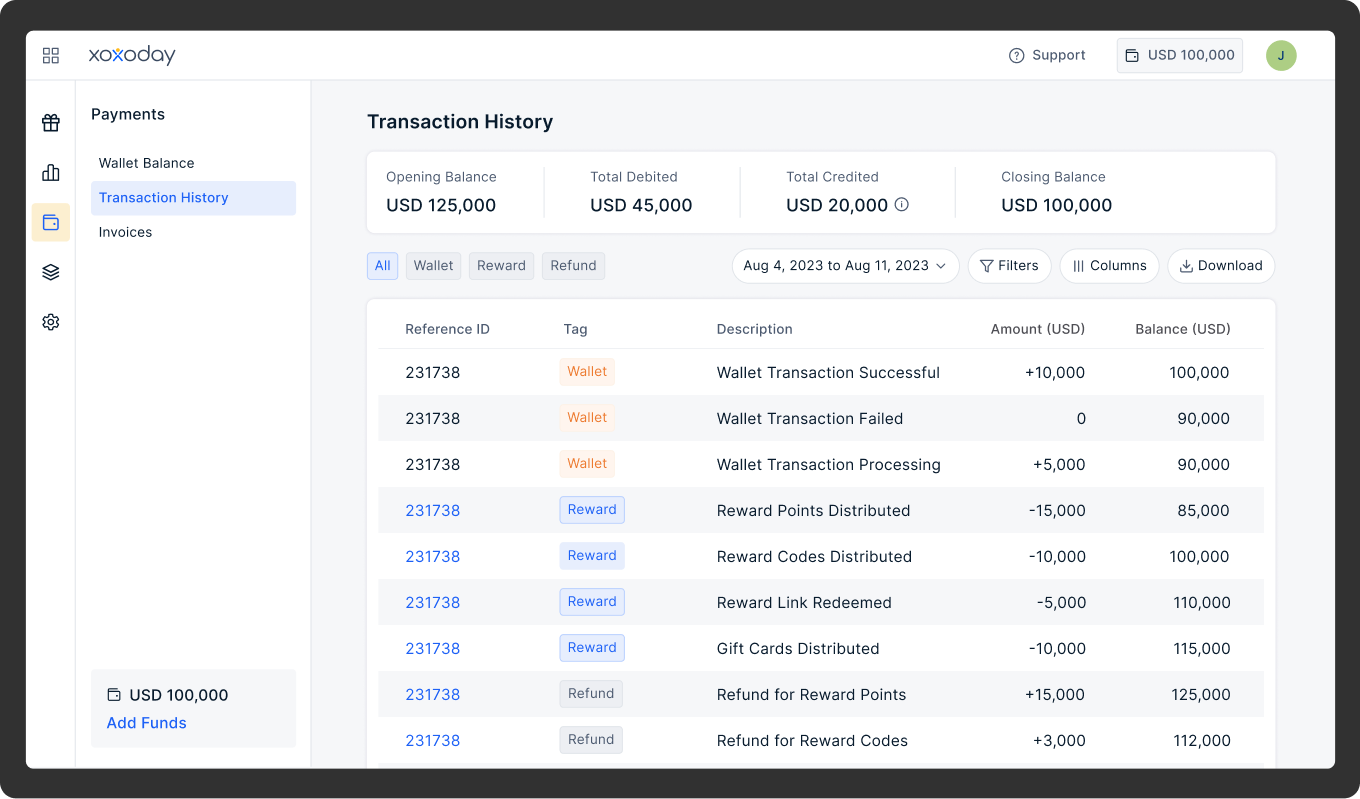
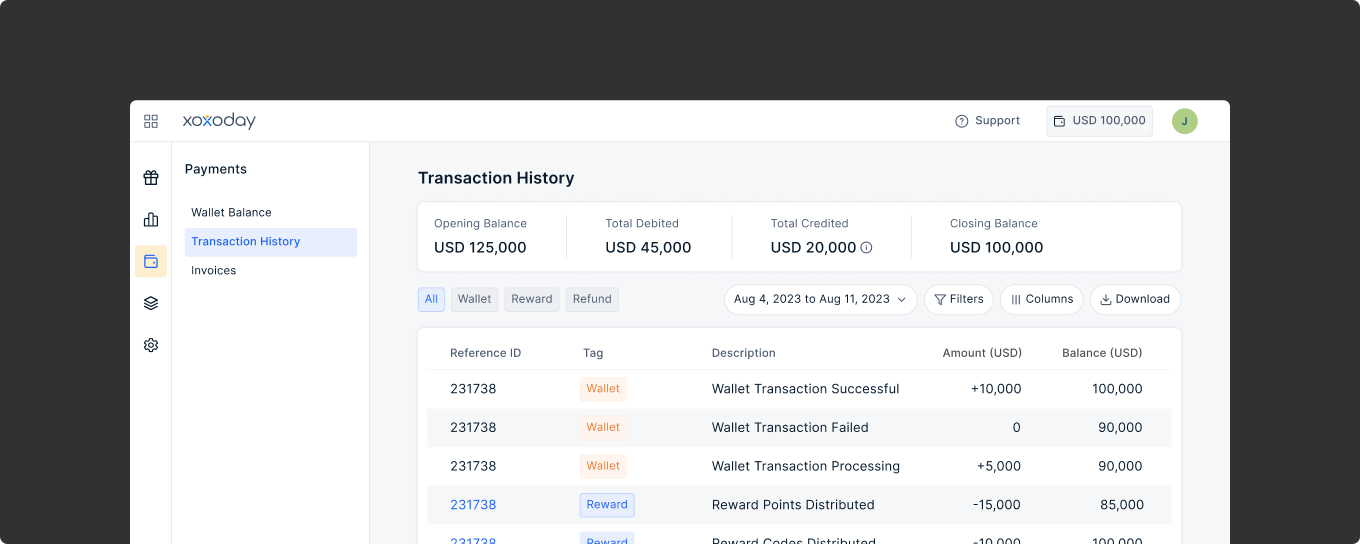
Dedicated transaction history with clear financial activity and running balance
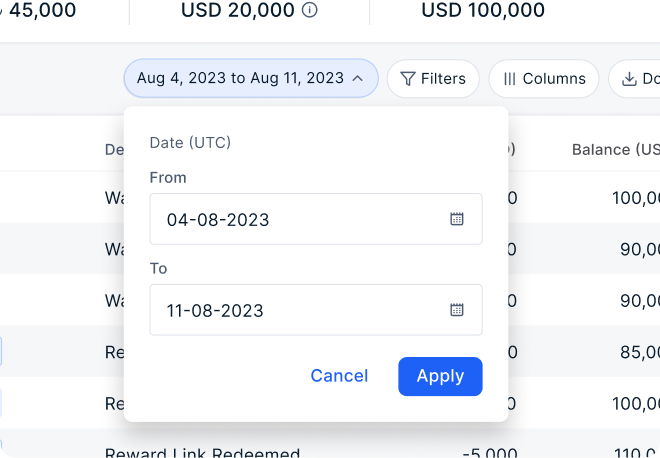
Filter transactions by Date Range
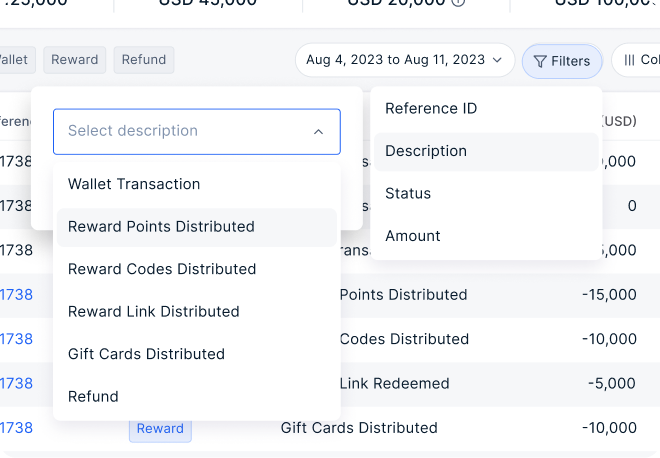
Filter transactions by Description
Invoice Management
- View open and paid invoices
- Make payments directly
- Download invoice records
Bringing invoice tracking and payments inside the platform reduced manual coordination and allowed finance teams to complete payment workflows independently.
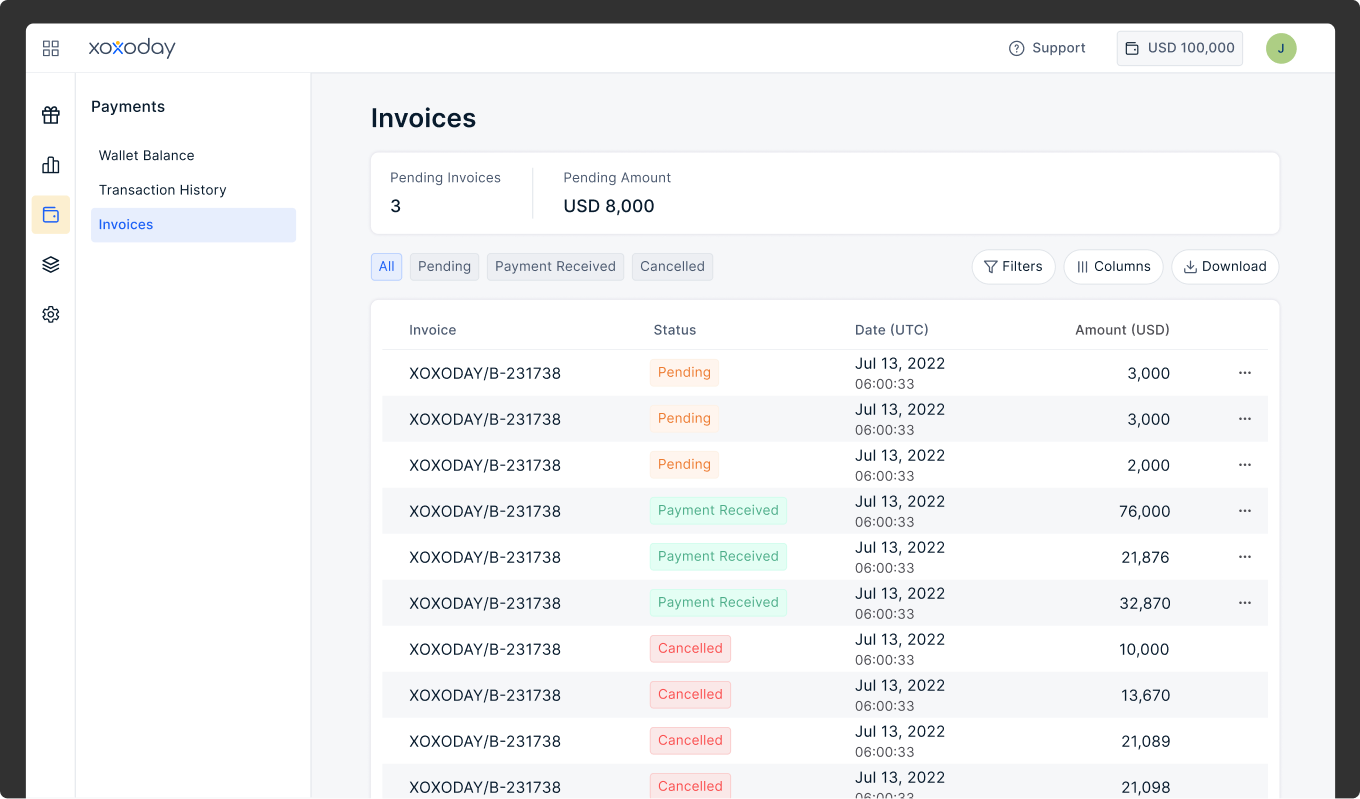
Invoice management with status tracking and pending visibility
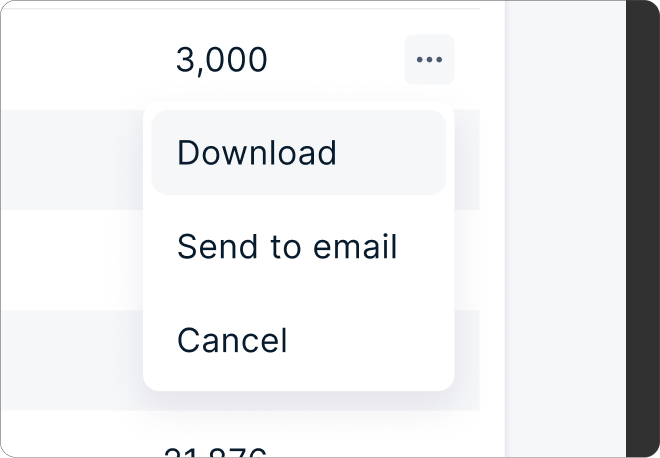
Manage invoices with quick actions
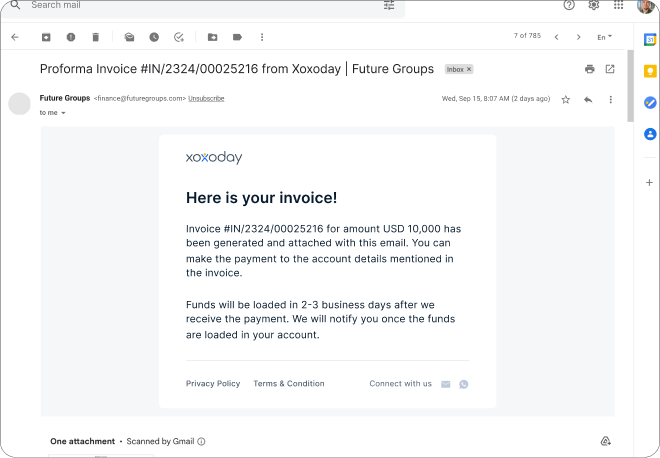
Invoice shared via email with payment details
Impact
The new payments system created a clearer financial workflow for enterprise teams by separating accounting operations from reward operations.
Outcomes included:
- ~25–35% reduction in finance-related support tickets
- Reduced manual reconciliation effort by ~30%
- Faster invoice tracking and payment visibility
- Lower operational dependency on exports
- Improved financial clarity across enterprise workflows
The system also established a scalable foundation for future financial operations across the platform.
Summary
This project transformed a fragmented payment experience into a structured financial system. By separating financial workflows from reward operations, we improved clarity, reduced risk, and strengthened enterprise trust.
It marked a shift from a reward-focused tool to an enterprise-ready platform.
More Projects
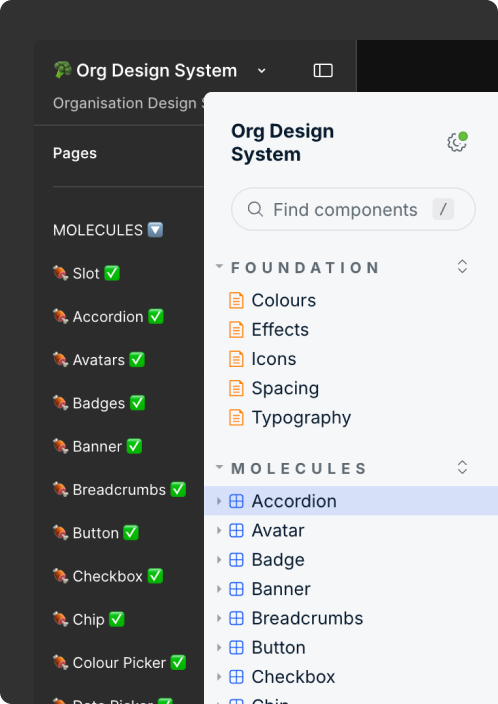
AI-Driven Product Development System
Fragmented design systems slowed development and made AI outputs unreliable.
Built a unified design + engineering foundation, enabling AI-driven workflows to improve speed and consistency.
Onboarding Re-Architecture
Complex onboarding flows led to early drop-offs and low activation.
Simplified signup and guided users to first reward, reducing drop-offs by ~70% and increasing conversion by ~12%.